
Understanding Hydrocarbons and Refrigerants
Hydrocarbons are organic compounds consisting solely of hydrogen and carbon atoms. They are primarily derived from petrochemical processes, making them essential to various sectors, including energy production, agriculture, and manufacturing. Some common types of hydrocarbons include alkanes, alkenes, and alkynes, each having distinct chemical structures and properties. Due to their versatile characteristics, hydrocarbons serve as a foundation for fuels, lubricants, and raw materials in the production of plastics and synthetic fibers.
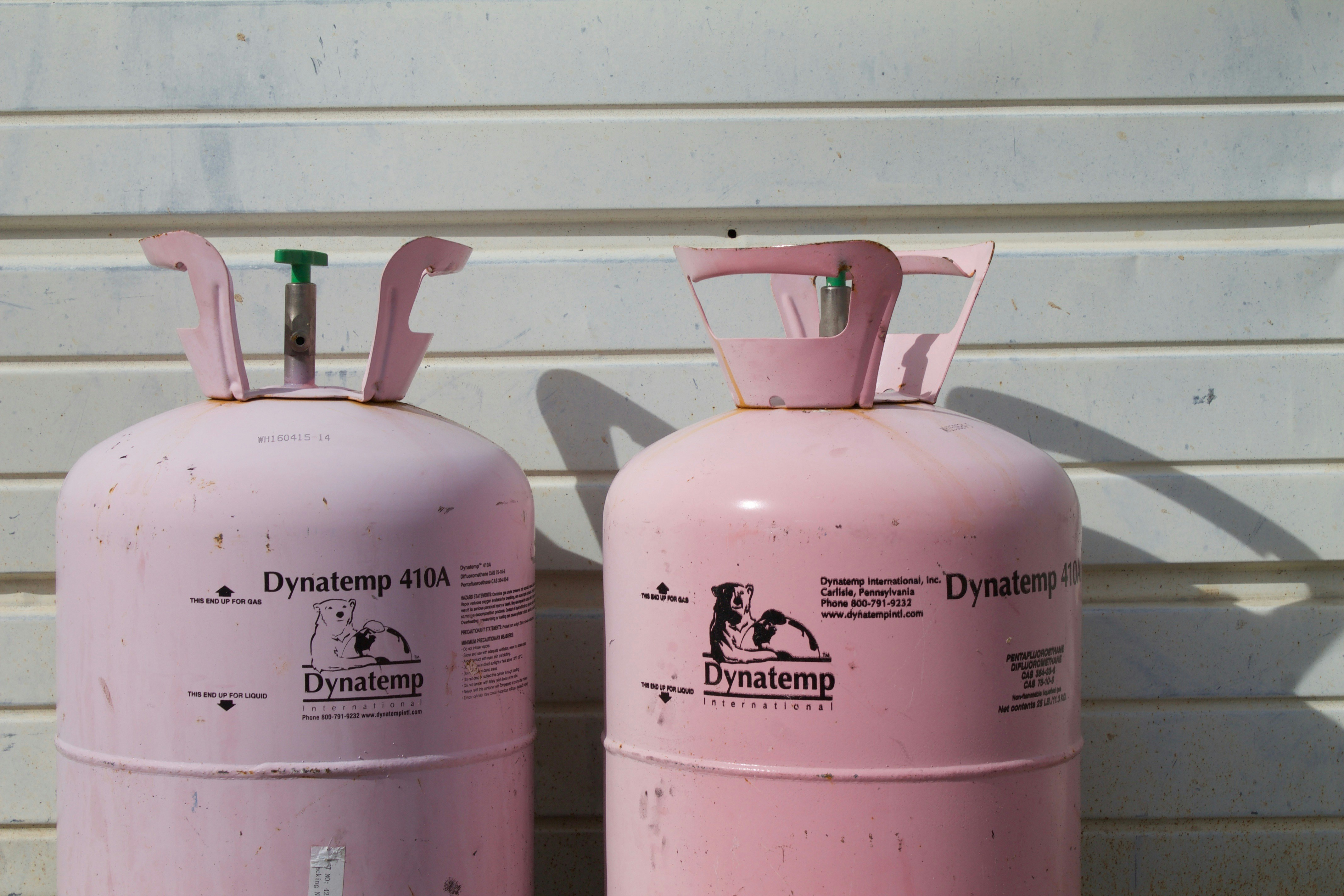
Refrigerants, on the other hand, are substances utilized in refrigeration and air conditioning systems. They undergo phase changes from gas to liquid and vice versa to absorb and release heat. Common refrigerants include hydrochlorofluorocarbons (HCFCs) and hydrofluorocarbons (HFCs), which have been widely used in cooling appliances and industrial processes. Their effectiveness in heat transfer makes them integral to maintaining temperature control in commercial and residential spaces, preserving perishable goods in the agricultural sector, and facilitating comfort in transportation.Hydrocarbons and refrigerants play pivotal roles in modern life due to their widespread applications. In agriculture, for instance, hydrocarbons are crucial for the production of fertilizers and pesticides that ensure food security. Refrigerants are vital in preserving food quality and extending shelf life through effective cooling, which has a significant impact on reducing food waste.
However, despite their utility, both hydrocarbons and refrigerants contribute to climate change due to their potential to release greenhouse gases when used or disposed of improperly. This underscores the necessity for sustainable management practices and innovative alternatives that minimize their environmental footprints while retaining their essential roles in industry.
The Contribution of Hydrocarbons to Climate Change
Hydrocarbons, primarily consisting of carbon and hydrogen, constitute the backbone of modern energy production, yet their widespread use carries significant implications for climate change. The extraction and combustion of fossil fuels, namely coal, oil, and natural gas, release considerable quantities of carbon dioxide (CO2) and methane (CH4), both of which are potent greenhouse gases. Upon combustion, hydrocarbons undergo oxidation, releasing energy that is used for various applications. However, this process generates CO2 as a byproduct, leading to a notable increase in atmospheric greenhouse gas concentrations.
According to recent studies, the energy sector accounts for approximately 73% of CO2 emissions, predominantly from fossil fuel combustion. In fact, the Intergovernmental Panel on Climate Change (IPCC) has indicated that unchecked hydrocarbon use could lead to a global average temperature rise of over 1.5°C above pre-industrial levels by 2040. This increase poses severe risks to ecosystems and human life.
Furthermore, the impact of hydrocarbon emissions is not only limited to carbon dioxide. Methane, often released during oil and natural gas extraction, is significantly more effective than carbon dioxide at trapping heat in the atmosphere, with a global warming potential more than twenty times greater over a 100-year period. Case studies have linked hydrocarbon emissions to extreme weather events, including hurricanes, droughts, and heatwaves, showcasing the direct relationship between fossil fuel use and climate instability.
For instance, the 2017 hurricane season has been attributed, in part, to changes in ocean temperatures as a result of increased greenhouse gas concentrations from hydrocarbon emissions. Such events underline the urgency of addressing the contribution of hydrocarbons to climate change, reinforcing the necessity for a transition to renewable energy sources and enhanced energy efficiency measures.
Refrigerants and Their Role in Climate Change
Refrigerants are vital in various cooling systems, particularly in air conditioning and refrigeration units, ensuring effective temperature control in numerous applications. Among them, hydrofluorocarbons (HFCs) have gained prominence due to their efficiency and effectiveness as refrigerants. However, these compounds pose significant environmental concerns, particularly regarding their contribution to climate change. HFCs, while less harmful to the ozone layer compared to their predecessors—chlorofluorocarbons (CFCs)—exhibit high global warming potentials, often thousands of times greater than carbon dioxide over a specific time frame.
The role of refrigerants in climate change is primarily attributed to leakage during operational processes, maintenance, and disposal of cooling equipment. Even small leaks can cumulatively contribute to substantial emissions of greenhouse gases, exacerbating global warming. This leakage issue has gained attention within regulatory frameworks aimed at reducing the environmental impact of refrigerants.
One of the most significant global initiatives addressing the harmful effects of HFCs is the Kigali Amendment to the Montreal Protocol. This agreement, adopted in 2016, sets forth a phased approach to reduce HFC consumption across various countries. The objective is not only to safeguard the ozone layer but also to mitigate the broader climate change implications of these potent gases. The amendment represents a landmark effort in recognizing the need for a transition towards more sustainable refrigerants, such as natural alternatives like carbon dioxide, ammonia, or hydrocarbons that exhibit a lower global warming potential.
As stakeholders in the cooling industry continue to innovate and adapt to regulatory changes, the focus on enhancing refrigerant management practices is essential. By minimizing leaks and adopting more environmentally friendly alternatives, it is possible to significantly reduce the climate change impact attributed to refrigerants.
Current Effects of Climate Change on Planet Earth
The current impacts of climate change, heavily driven by the extensive use of hydrocarbons and refrigerants, are evident across various aspects of the environment. One of the most noticeable effects is the rise in global temperatures, which have increased significantly over the past century. According to the Intergovernmental Panel on Climate Change (IPCC), findings indicate that Earth’s average surface temperature has risen by approximately 1.2 degrees Celsius since the late 19th century, primarily due to greenhouse gases emitted from industrial activities.
Another alarming consequence of climate change is the melting of ice caps and glaciers. The Arctic region is experiencing drastic changes, where the extent of sea ice has declined alarmingly, contributing to rising sea levels. Reports indicate that we are witnessing the lowest levels of Arctic sea ice recorded in decades, threatening polar ecosystems and leading to coastal erosion worldwide.
Ocean acidification is also a significant byproduct of increased carbon emissions from hydrocarbons. Approximately 30% of anthropogenic carbon dioxide is absorbed by oceans, resulting in a decline in pH levels that adversely affects marine life, particularly organisms with calcium carbonate shells, such as corals and shellfish. This disruption poses threats not only to biodiversity but also to millions of people who rely on these resources for their livelihoods.
Furthermore, climate change has intensified extreme weather patterns, leading to more frequent and severe storms, droughts, and heatwaves. Recent events, such as Hurricane Harvey in 2017 and the Australian bushfires in 2019-2020, underline the destructive potential of these patterns, causing widespread damage and loss of life. Additionally, biodiversity loss is becoming increasingly apparent as many species struggle to adapt to rapidly changing environments, with some facing extinction. It is clear that the impacts of climate change are profound and widespread, raising urgent calls for sustainable solutions to mitigate these challenges.
The Importance of Sustainable Practices
In the face of climate change driven largely by hydrocarbons and refrigerants, adopting sustainable practices across various industries emerges as a critical necessity. Each sector, from transportation to agriculture, bears responsibility for its contributions to greenhouse gas emissions. However, the transition toward sustainability is not only an ethical obligation but also an opportunity for innovation and growth.
One of the primary strategies lies in the integration of renewable energy sources, such as solar, wind, and hydroelectric power. These alternatives significantly reduce the reliance on fossil fuels, which are notorious for their disruptive environmental impact. By investing in renewable energy infrastructure, businesses can lower operational costs and enhance their reputation, catering to an increasingly environmentally conscious consumer base.
Moreover, energy-efficient technologies play a pivotal role in minimizing energy consumption and, by extension, greenhouse gas emissions. Industries that implement smart systems and automation reduce waste while improving productivity. The adoption of LED lighting, high-efficiency appliances, and advanced manufacturing processes showcases how organizations can contribute to a more sustainable future.
Sustainable agriculture, too, presents a vital avenue for mitigating climate impacts. Practices such as crop rotation, organic farming, and permaculture help sequester carbon in the soil, enhancing land resilience against climate change. Furthermore, by reducing reliance on chemical inputs and improving biodiversity, sustainable agriculture contributes to healthier ecosystems, ultimately benefiting both the environment and food security.
Establishing a culture of sustainability requires collaboration across sectors and a commitment to continuous improvement. Governments, businesses, and communities can work together to promote green initiatives, incentivize sustainable practices, and educate the public on the importance of reducing hydrocarbon and refrigerant use. In this way, the journey toward a sustainable future is not just a necessity but also an achievable goal that benefits all stakeholders.
Innovative Solutions for Reducing Hydrocarbon and Refrigerant Impact
The increasing awareness of the detrimental effects of hydrocarbons and refrigerants on climate change has spurred innovation across various sectors. A significant step in mitigating these impacts involves the development and adoption of alternative refrigerants. These substances have lower global warming potential (GWP) than traditional refrigerants such as hydrofluorocarbons (HFCs). Natural refrigerants like ammonia, carbon dioxide, and hydrocarbons are gaining traction as environmentally friendly options that effectively reduce emissions without compromising appliance efficacy.
Additionally, carbon capture and storage (CCS) technologies are emerging as a viable solution to address the greenhouse gas emissions from industrial processes. CCS works by capturing carbon dioxide emissions at their source—before they can enter the atmosphere—and storing them underground or utilizing them in various applications. This innovative approach not only helps in minimizing the hydrocarbon footprint but also contributes to enhancing sustainability by repurposing captured carbon into usable products.
Energy-efficient appliances represent another significant advancement. These modern devices are designed to consume less energy while delivering optimal performance, thereby reducing the overall demand for fossil fuels and related hydrocarbons. With the integration of smart technology, these appliances can adapt their operation to minimize energy consumption during peak hours, further lowering emissions associated with hydrocarbon use.
In the transportation sector, electric vehicles (EVs) are rapidly changing the landscape. By replacing traditional gasoline and diesel vehicles with EVs, we can significantly decrease the reliance on hydrocarbons. With advancements in battery technology, EVs now offer longer ranges and faster charging times, making them a practical choice for consumers. The transition to electric mobility is essential for reducing overall emissions and combatting climate change.
Policy Changes and Global Efforts in Climate Action
The challenge of climate change, exacerbated by the emissions of hydrocarbons and refrigerants, has prompted a series of policy changes and global initiatives aimed at addressing these critical issues. One of the most significant agreements is the Paris Agreement, which was adopted in 2015 and aims to unite countries in the fight against climate change by limiting global warming to well below 2 degrees Celsius. Signatory nations are expected to set and communicate their climate goals, known as Nationally Determined Contributions (NDCs), that reflect their commitment to reducing emissions over time.
Alongside the Paris Agreement, various countries have implemented carbon pricing mechanisms as a strategic tool for reducing greenhouse gas emissions. These mechanisms can take the form of carbon taxes or cap-and-trade systems, where a cost is associated with carbon emissions, incentivizing businesses and industries to innovate and adopt cleaner alternatives. The effectiveness of these programs depends heavily on the commitment of governments to enforce regulations and collaborate with corporations to promote sustainable practices.
In recent years, a renewed focus on hydrofluorocarbons (HFCs) has emerged, particularly with the Kigali Amendment to the Montreal Protocol. This landmark agreement aims to phase down the production and consumption of HFCs, which are potent greenhouse gases contributing significantly to global warming. Governments play a vital role in implementing regulatory frameworks that support the transition to alternative substances, alongside manufacturers who are urged to develop eco-friendly refrigeration technologies. Collaboration at both local and international levels is critical for achieving the ambitious climate targets set in various agreements.
As we move forward, the global efforts in climate action emphasize the importance of strong political will and public support to implement effective policies. Achieving a sustainable and environmentally friendly future relies not only on regulatory frameworks but also on the synergy between diverse stakeholders, including businesses, governments, and civil society.
Engaging Communities and Individuals in Climate Action
As the effects of climate change become increasingly evident, the role of individuals and communities in combating this global challenge is paramount. Grassroots efforts can pave the way for significant advocacy and education initiatives that foster environmental stewardship. By engaging at the community level, individuals can not only influence local policies but also drive broader societal change.
Community-based renewable projects serve as a focal point for collective action. Such initiatives can range from solar panel installations on community centers to local wind farms, allowing residents to directly participate in sustainability efforts. These projects often harness local talent and resources, reinforcing community ties while promoting a shift toward renewable energy sources. When community members actively partake in these ventures, they nurture a culture of collaboration and shared responsibility for environmental health.
Education plays a crucial role in empowering individuals to make informed choices regarding their consumption habits. Workshops, seminars, and public forums can foster a deeper understanding of how everyday choices—such as energy use and waste management—contribute to climate change. By disseminating information on how hydrocarbons and refrigerants impact the environment, individuals can recognize the significance of their collective actions. Grassroots education campaigns can motivate citizens to adopt sustainable practices, such as reducing energy consumption and supporting eco-friendly products.
Moreover, personal choices have a ripple effect. By collectively embracing sustainable practices, communities can catalyze significant change in consumption patterns, which can ultimately influence markets and policy-making. As individuals prioritize sustainability over convenience, they contribute to a larger movement towards climate resilience. In fostering awareness and collective action within communities, we can mobilize a force capable of confronting climate change on multiple fronts.
Towards a Greener Future: Steps We Must Take
The urgency to act on climate change has never been more pressing, and it is essential for individuals, industries, and governments to take meaningful steps towards a sustainable future. To combat the detrimental effects of hydrocarbons and refrigerants on our environment, various actionable strategies can be employed.
Individuals can contribute by reducing their carbon footprint through simple lifestyle changes. One significant approach is to minimize energy consumption at home; utilizing energy-efficient appliances and adopting renewable energy sources, such as solar or wind energy, can make a substantial difference. Furthermore, opting for public transportation, carpooling, or using electric vehicles can significantly reduce emissions associated with traditional gasoline-powered travel.
Industries are also crucial players in this endeavor. They can transition towards greener practices by utilizing eco-friendly materials, enhancing waste management systems, and investing in research for alternative refrigerants with lower global warming potential. Certifications such as ISO 14001 can help industries establish effective environmental management systems that promote sustainability throughout their operations.
Governments have a significant responsibility in the fight against climate change. Implementing strong policies that regulate emissions from both fossil fuels and hydrofluorocarbons (HFCs) is vital. Establishing incentives for green technology investments, enforcing stricter environmental regulations, and promoting sustainable urban planning can drive systemic change. Furthermore, international collaboration is essential; participating in global accords such as the Paris Agreement reinforces collective goals to limit global warming.
By enacting these measures, all sectors of society can work together to create a sustainable future. The time to act is now, as the impacts of climate change are increasingly evident. Engaging in practices that support environmental stewardship, advocating for sustainable policies, and actively participating in global efforts are crucial steps we must take to preserve our planet for future generations.